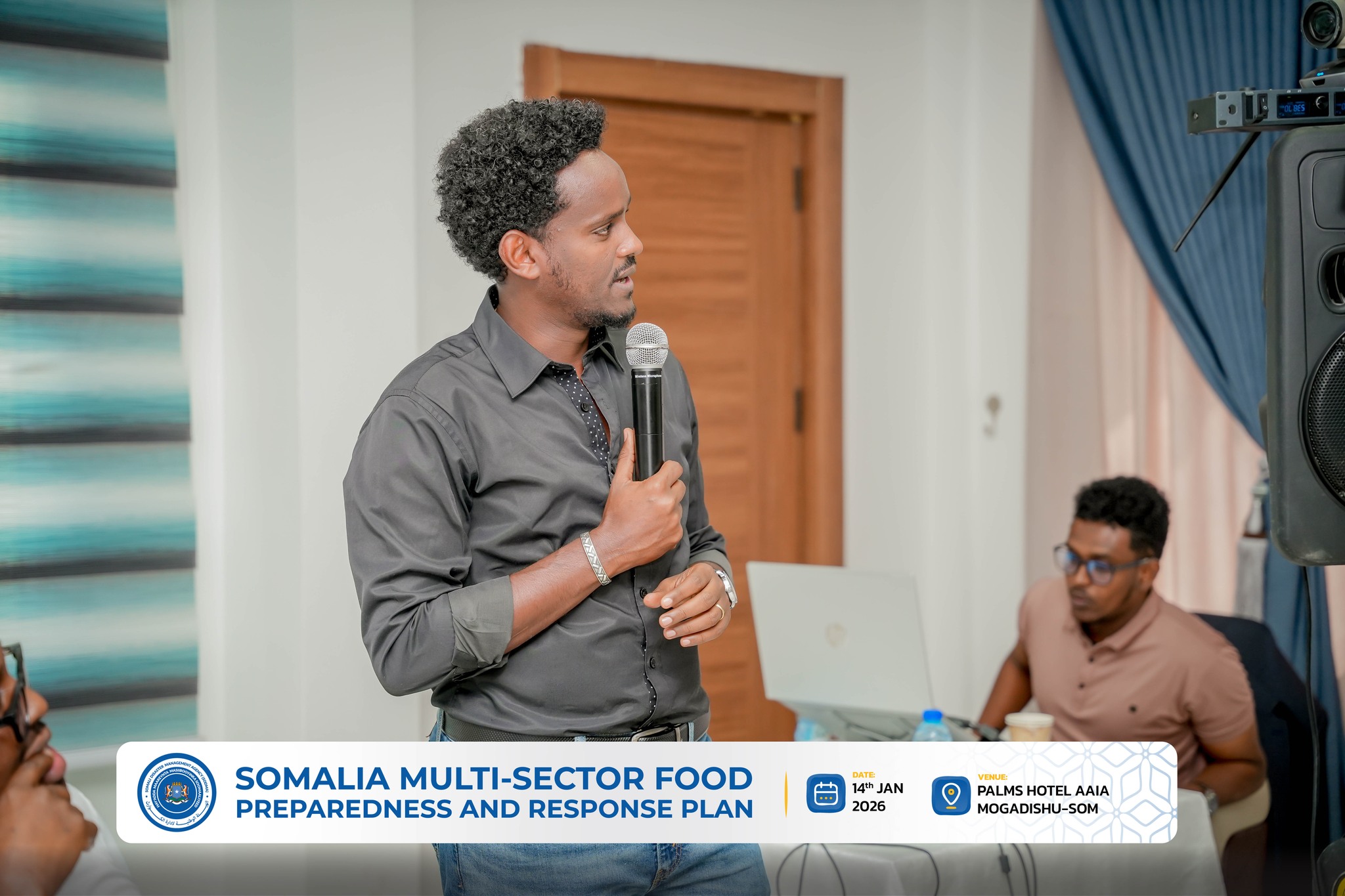
Mogadishu — The Office for the Coordination of Humanitarian Affairs (OCHA) has proposed the implementation of a “Humanitarian Reset” in 2026, aimed at transforming humanitarian assistance into a more preventive, anticipatory, and life-saving response.
The proposed approach emphasizes early financing of humanitarian assistance before the onset of drought, allowing partners to act ahead of shocks rather than responding after conditions deteriorate. It prioritizes life-saving interventions, including food assistance, access to safe water, and emergency health services, to protect the most vulnerable populations.
OCHA highlighted that the Humanitarian Reset will be firmly grounded in data-driven decision-making, relying on robust analysis, early-warning information, and real-time evidence to guide targeting, resource allocation, and response planning.
Under the 2026 framework, the plan is to provide humanitarian assistance to approximately 4.8 million people, focusing on reducing humanitarian needs, preventing loss of life, and improving the overall effectiveness and efficiency of the response system.














0 Comments