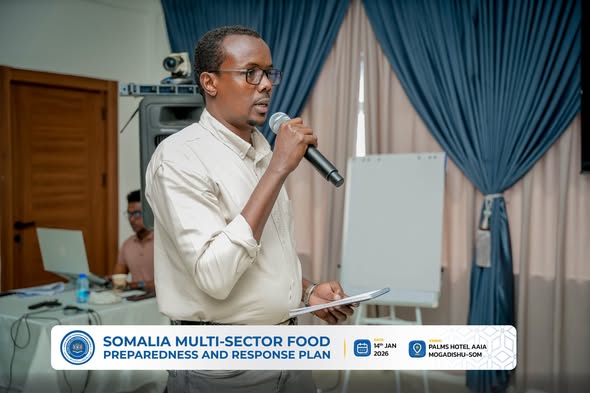
Mogadishu — The World Health Organization (WHO) and UNICEF, leading the Health and Water, Sanitation and Hygiene (WASH) pillars, have warned that 2026 is expected to be particularly challenging, requiring humanitarian assistance to be concentrated in the most severely affected locations.
The two agencies emphasized that response efforts will need to focus on high-impact, life-saving interventions, with priority given to safe and clean water supply and emergency health services. They noted that targeting support to the worst-hit areas is essential to prevent further deterioration and reduce avoidable loss of life.
WHO and UNICEF underscored that scaling up clean water access and rapid health response capacity will be central to protecting vulnerable communities and mitigating the most severe humanitarian consequences anticipated in 2026.





0 Comments