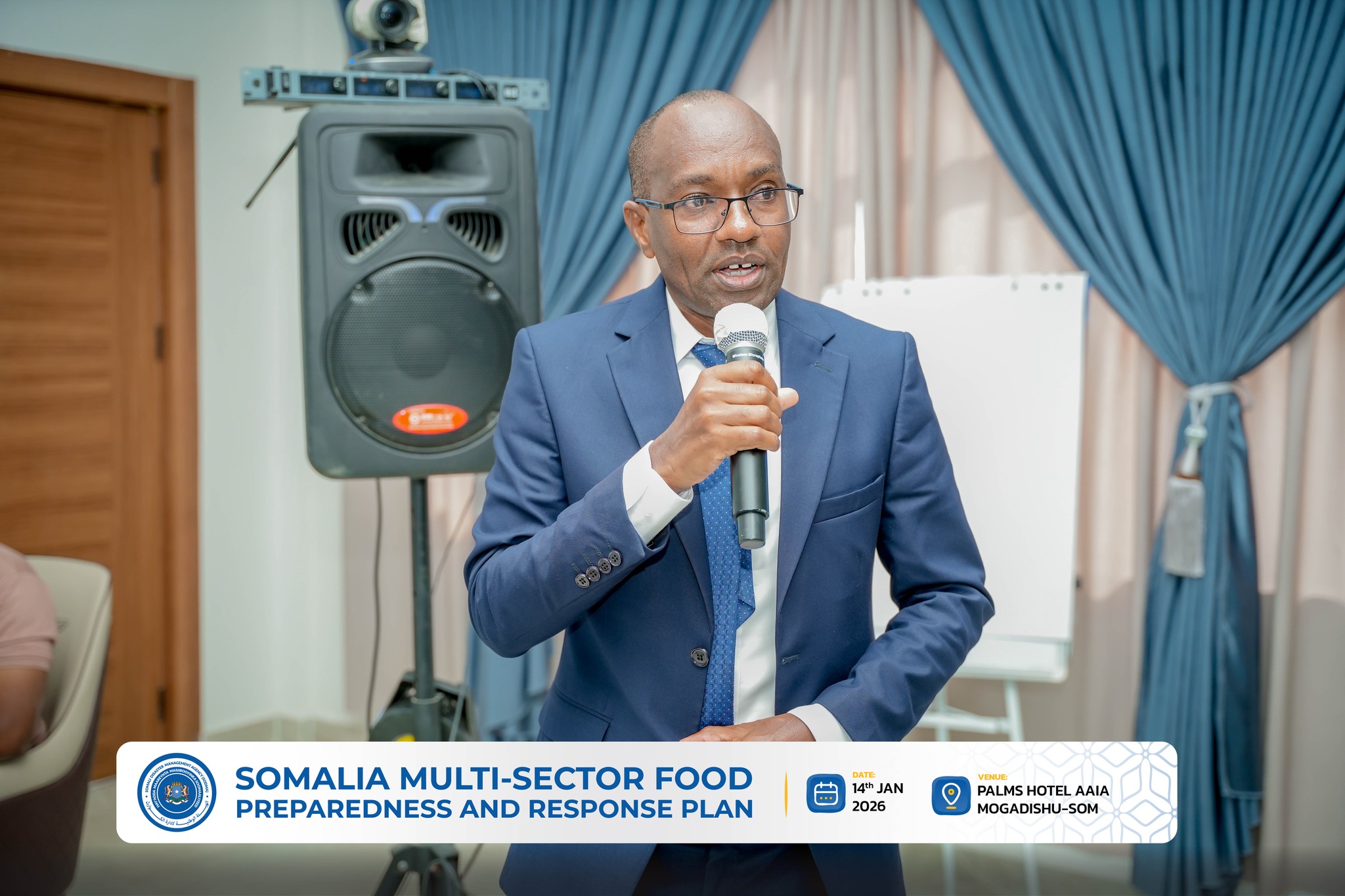
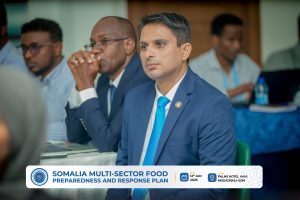
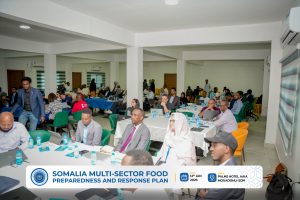
Mogadishu — The World Food Programme (WFP), the Somali National Bureau of Statistics (SNBS), and the Food and Agriculture Organization of the United Nations (FAO) have presented joint proposals to support reforms in response planning, reflecting current conditions, expected changes, and emerging food-security risks. The proposals are intended to strengthen evidence-based decision-making and guide a more targeted response to current and anticipated food shortages.
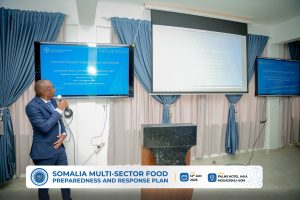
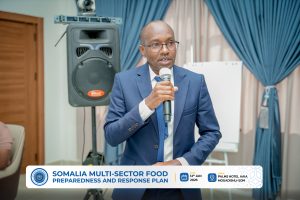
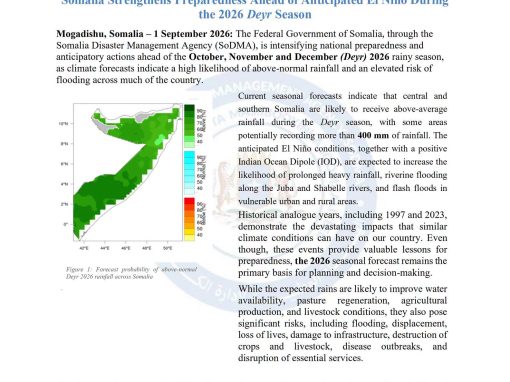
The joint package brings together complementary analytical inputs. FAO highlighted current risk trends and weather forecasts to support early action and preparedness. SNBS provided analysis of the population in IPC Phase 4 requiring urgent emergency assistance. WFP identified the most vulnerable locations for prioritization and operational targeting. In addition, the Food Security Cluster/WFP presented updates on the current coverage level of food assistance, helping partners understand gaps and align resources with the most critical needs.
Collectively, the proposals aim to improve planning by ensuring that interventions are risk-informed, needs-based, and geographically focused, while also supporting coordinated implementation among government institutions and humanitarian partners.

















0 Comments