Food Security
Background
According to the Mandate of Somali Disaster Management Agency in Law. No 17, enacted 2016 and SoDMA Development Strategy 2024-2029,” Food Security and Social Protection is a leading department will actively be involved in Addressing to provide and coordinate safe with nutritious food and nutrition assistance to vulnerable individuals/communities including children and pregnant women affected by shock climates and conflicts to combat malnutrition and prevent loss of life, developing and Implementing social protection programmes with chronically food insecure populations in cash-based interventions that allow vulnerable households to purchase food and other necessities from local markets to reduce the impact of Climate shocks and conflicts such the Hunger Safety Net Programme (HSNP) and the National Safety Net Programme (NSNP). As well as reducing the impact of shocks and providing of a broad range of information users with timely and relevant information and analysis for better decision-making relating to short-term food insecurity, malnutrition in the country and having accurate information on drought to get better Early warning System to achieve early action response
Vision
To achieve our nation where all individuals, especially the most vulnerable, have access to comprehensive social protection systems that promote dignity, security, and opportunity for all and have guaranteed access to safe, nutritious food and social protection systems during and before crises that empower them to lead healthy and productive lives.
Mission
To enhance food security and promote social protection by implementing inclusive policies and programs that ensure equitable access to resources, support vulnerable populations, and foster sustainable livelihoods. We aim to collaborate with stakeholders at all levels to create resilient communities and eradicate hunger.
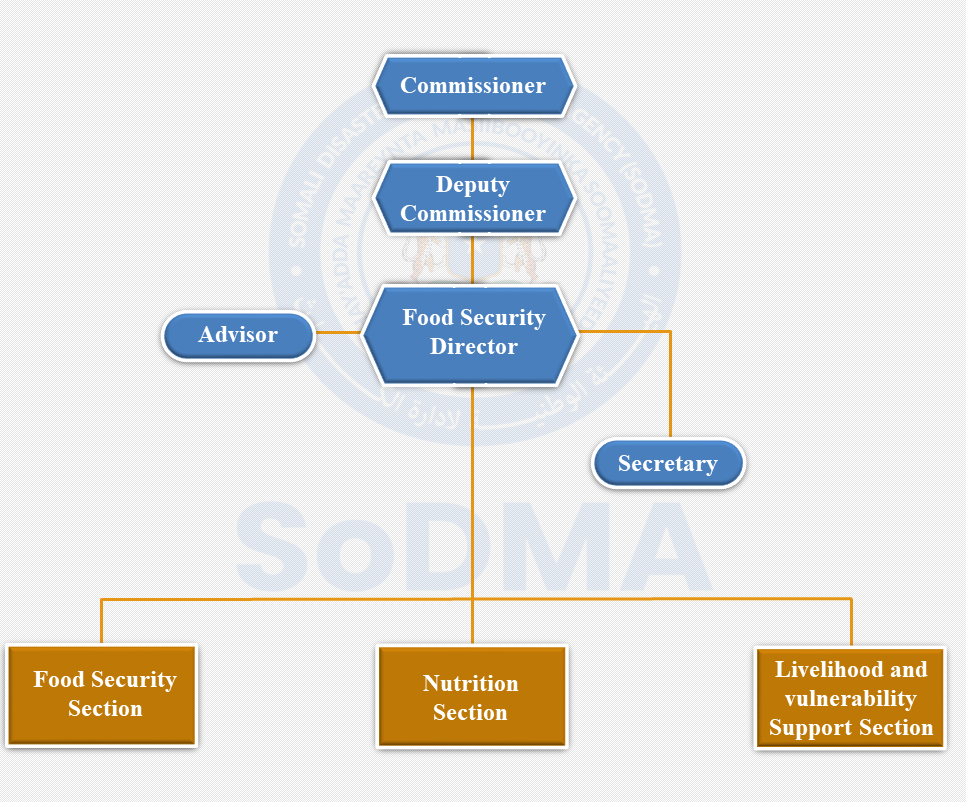
Main Roles & Responsibilities
Food Security Section:
Addressing to provide and coordinate food security safe and assistance to vulnerable individuals/communities including children and pregnant women affected by shock climates and conflicts to prevent loss of life.
Role and Responsibilities:
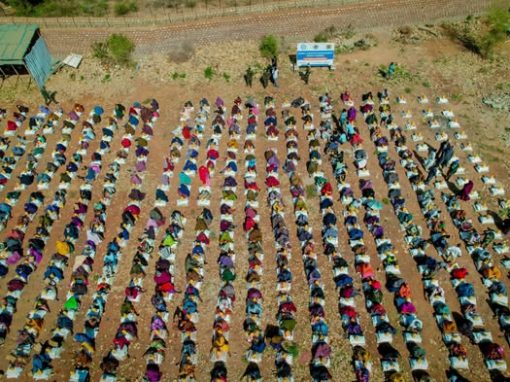
- Advocating and Setting up a coordination mechanism for food aid to vulnerable communities affected by shocking climates and conflicts with government line MAD’s, local NGOs and UN agencies before, during, and after emergencies.
- Restore and strengthen community and household assets, capabilities, and strategies for improved food security during recovery phases.
- Collaborate with government and non-government partners to address acute and chronic food in security through monitoring and analyzing trends of food availability, access and utilization.
- Identify Key Stakeholders: Mapping government agencies, NGOs, academic institutions, and community organizations involved in food security and nutrition.
- Capacity Building: Train local stakeholders in data collection and analysis techniques.
- Data Collection: Gather comprehensive data on food security indicators.
- Analysis and Reporting: Analyze data to produce reports that inform policy and programming.
- Information Sharing: Provide access to information for stakeholders, including policymakers, NGOs, UN Agencies, Researchers and publishing Acute food insecurity Early Warning Bulletin.
- Monitor Integrated Phase Classification (IPC) levels and share findings with stakeholders.
- Promoting capacity buildings, awareness and Advocacy for the importance of gender equality in food security
Nutrition Section:
Effective nutrition interventions to vulnerable communities for saving lives, particularly among the most vulnerable populations including children and pregnant women affected by climate shocks and conflicts.
Roles and Responsibilities:
- Conduct rapid assessments to evaluate the nutritional status of affected populations.
- Set up a coordination body through identifying key stakeholders such as mapping government agencies, NGOs, academic institutions, and community organizations involved in nutrition interventions.
- Capacity Building; Train local stakeholders in data collection and analysis techniques.
- Data Collection; Gather comprehensive data on nutrition security indicators.
- Analysis and Reporting; Analyze data to produce reports that inform policy and programming.
- Information Sharing; Provide access to information for stakeholders, including policymakers, NGOs, UN Agencies, Researchers and publishing Acute Malnutrition for Early Warning Bulletin.
- Develop targeted nutrition programs and ensure timely procurement and distribution of nutritional supplies (e.g., fortified foods and supplements).
Livelihood and vulnerability Section:
Addressing, Coordinating and Implementing livelihood programs to enhance their livelihoods by providing knowledge and skills related to sustainable income sources and strengthen individuals’ and households’ abilities to earn a living to achieve self-sufficiency with chronically food insecure populations, to improve cash-based interventions that allow vulnerable households to purchase food and other necessities from local markets to reduce the impact of Climate shocks such the Hunger Safety Net Programme (HSNP) which provides cash transfers to poor households in the country, and the National Safety Net Programme (NSNP) which targets vulnerable groups such as orphans, vulnerable children, and the elderly.
Role and Responsibilities:
- Developing and operationalizing the national strategy and regulatory frameworks for Livelihoods and vulnerability programs through Pre-Identifying the vulnerable households/communities and the types of shocks that households/communities are vulnerable to, Pre-allocating and Providing Un Conditional cash transfers to target poor and vulnerable to shock affected households.
- Supporting households, having access to, and managing natural resources sustainably for adaptation to livelihood risks and opportunities.
- Supporting communities, prepare for, mitigate and absorb the effects of natural and manmade shocks, stresses and vulnerabilities.
- Conduct vulnerability assessments to identify at-risk populations across federal member states and Banadir Regional Administrations.
- Restoring and reinforcing community and household assets, capabilities, and strategies to improve livelihoods during the recovery phase following a disaster or crisis
- providing knowledge and vocational training skills related to sustainable income sources to strengthen individuals’ and households’ abilities to earn a living to achieve self-sufficiency.
- Promote alternative income-generating activities tailored to the needs of rural and urban households.
- Advocating policies that address the root causes of food insecurity, such as poverty, inequality, and climate change in collaboration with government line MAD’s, local NGOs and UN agencies and communities.
- Raise awareness on rights and entitlements on shock responses strategies through Conducting workshops and community outreach.